

Introduction
Few tools stir the imagination of a Mixing enthusiast the way MIDI does. Originally designed as a universal language for electronic instruments, this protocol has matured into a creative powerhouse that now reaches far beyond keyboards and synth racks. When you apply it to a home cinema setup, MIDI becomes the invisible technician in the background, silently weaving Audio and Video cues together so your cinema room can breathe, throb, and dazzle like a boutique theater.
Understanding MIDI in the Mixing Context
At its heart, MIDI is a stream of data—note numbers, velocity values, controller messages—that says, “Play here, dim there, pan gently left.” Because it carries instructions rather than sound, you can reroute those instructions to whatever device accepts them: your AVR, lighting interface, subwoofer processor, or even a motorized curtain. In the traditional studio, we map fader movements to virtual instruments. In a cinema room, we map them to the emotional arc of the film, translating raw instructions into enveloping, cinematic immersion.
Bridging Audio and Video
Imagine a thunderous explosion on-screen triggering a MIDI note. That note fans out across your network, nudging surround channels for a split-second 3 dB boost, dimming overhead lights, and shaking tactile transducers beneath your seating. Or picture a whisper-quiet dialogue scene in which a control change message gently rolls off sub frequencies while LED strips along the acoustic panels glow soft amber. This is Mixing at a synesthetic level—audio and visuals choreographed in tandem, all guided by elegant bursts of MIDI code.
Transforming a Cinema Room with Expressive Control
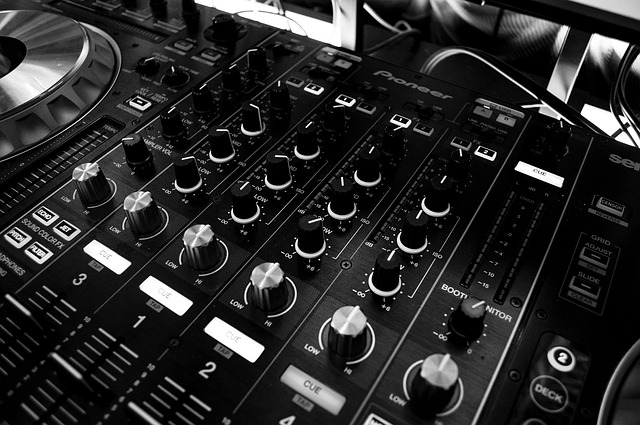
Because most modern processors are network-ready, incorporating MIDI often means nothing more than a USB interface and a bit of routing software. Once installed, you can record automation passes in your DAW just as you would for a song. The faders you ride become filters, gain trims, or delay offsets in your surround processor. Knobs can stretch video color profiles during a sunrise sequence, or swell height channels as a spaceship ascends. Every tweak is stored inside the MIDI timeline, ready for instant recall the next time family movie night rolls around.
Practical Tips for Home Cinema Enthusiasts
- Assign each speaker group to its own MIDI channel so you can isolate rear surrounds from Atmos heights.
- Use velocity values creatively: low velocities for subtle ambience lifts, high for visceral impact moments.
- Combine time-code with MIDI so the automation stays frame-accurate even during chapter skips.
- Explore inexpensive controller surfaces; a humble 8-fader box can feel like a Hollywood dubbing stage once mapped.
- Back up your sessions! A single SysEx dump preserves hours of delicate Mixing decisions.
Future Horizons
The next wave of AV receivers promises native MIDI over Ethernet and smartphone apps that translate gestures into controller data. As formats like 8K and spatial audio push immersion further, expect MIDI to tighten the knot between what we see, what we hear, and what we feel. For now, the protocol remains the quiet hero of the Mixing category—compact, flexible, and endlessly inspiring for anyone chasing the ultimate home cinema experience.