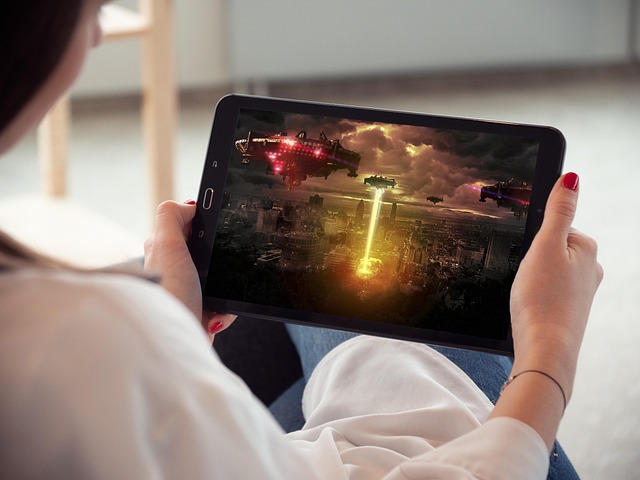


Creating the perfect home cinema room goes beyond a large screen or a booming surround sound system. At the heart of this immersive experience lies the subtle yet powerful concept of the foreground. In the realm of video recording and home cinema design, foreground isn’t just a compositional term—it’s the emotional and sensory zone where attention is guided, imaginations are sparked, and stories come to life.
Think about your favorite film scenes. The lead actor delivering a climactic line, the subtle flicker of an expression, a whispered line of dialogue—all of these elements exist prominently in the foreground. In your home cinema, replicating this sense of cinematic intimacy means fine-tuning both audio and video components to draw viewers deep into the narrative, making them feel like they’re part of the scene rather than mere spectators.
For audio, this begins with defining clarity and precision in your speaker placement. It’s not about overwhelming bass or excessive volume—it’s about directionality, balance, and ensuring that dialogue anchors itself in the forefront of your soundscape. Consider adding a center channel speaker focused precisely at ear level from the viewer’s position. Enhancing your acoustic environment with sound-absorbing materials eliminates echo, keeping the spoken word sharp and immersive.
Video plays an equally vital role in the foreground experience. Your projector or TV must render color and contrast accurately to make foreground subjects pop. Invest in a display with high dynamic range (HDR) capability to ensure depth and brightness levels bring detail forward. Equally important is lighting control in your cinema room. Harsh ambient light can wash out foreground details. Use blackout curtains, LED strip lighting, or smart dimmable bulbs to highlight the screen without distractions.
When designing your home cinema, consider the layout from the perspective of camera direction. Where would the scene be shot if your room were a movie set? Foreground elements like furniture, artwork, or even acoustic panels should be curated to complement—not obstruct—the viewing zone. Think symmetrically and maintain visual harmony to keep the audience focused on what matters most.
In many ways, bringing the concept of foreground into your home cinema is about intentionality. Whether you’re a filmmaker analyzing scene composition or a movie lover yearning for a theater-quality experience at home, understanding and mastering the balance between sound design and visual layering transforms your space into more than just a room with a screen—it becomes a storytelling hub, where audio and video converge to create magic in every frame.