
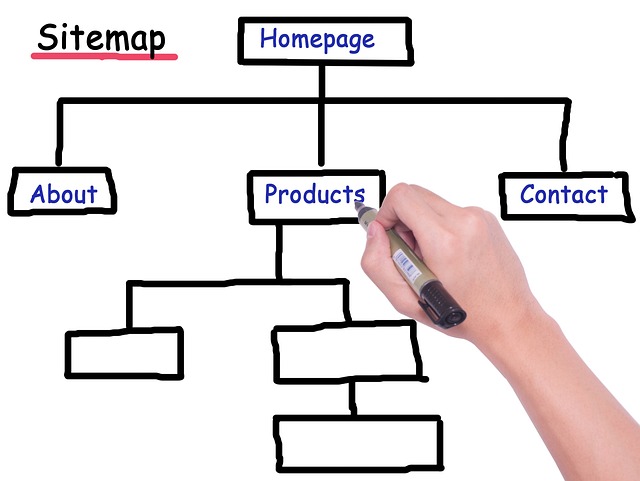

Are you looking to take your home cinema playback experience to the next level? Creating a web diagram can be a great way to visualize and plan out your setup for optimal audio and video performance. In this blog post, we will share 10 tips to help you create a web diagram for your home cinema playback system.
Audio Setup:
1. Consider the acoustics of your cinema room. Try to opt for a space with minimal echo and sound reflection to enhance audio clarity.
2. Position your speakers strategically. Place them at ear level and ensure they are equidistant from the primary seating area to create an immersive audio experience.
3. Invest in high-quality audio equipment such as surround sound systems or soundbars to achieve theater-like sound quality.
Video Setup:
4. Choose the right display for your home cinema. Whether it’s a high-definition TV or a projector, ensure it suits the size and layout of your cinema room.
5. Calibrate your display settings for optimal color, brightness, and contrast levels to enhance your viewing experience.
6. Consider ambient lighting in your cinema room. Dim the lights or opt for adjustable lighting to reduce glare and improve picture quality.
Web Diagram Creation:
7. Start by sketching out a floor plan of your cinema room. Include measurements and details of the furniture and equipment placement.
8. Research web diagram tools or software that can help you create a digital representation of your setup. This will allow you to visualize the layout more effectively.
9. Label each component in your web diagram, such as speakers, TV, receiver, and cables, to keep track of the connections and placements.
10. Continuously update and refine your web diagram as you make changes to your home cinema playback system. This will help you stay organized and plan future upgrades effectively.